For lenders
Evidence a lender can check for itself.
Lending against a home’s power system starts with knowing the home is real, the system was fitted properly and it keeps working. We are building the evidence for all three.

In plain words
A bank cannot easily lend against solar in a Nigerian home. It cannot confirm the home exists, it cannot tell whether the system was fitted to a proper standard, and it cannot see whether the system is still working.
Syllola is being built to answer each of those, with evidence your own team can check rather than our word for it.
We do not lend, and no bank partnership is in place yet. This page describes what we are building with lenders in mind.
What a lender receives
Four kinds of evidence, each one checkable on its own.
- Evidence the home is realA record for each property, to a published standard: title and encumbrance searches, a physical inspection, the named professional behind each check, and sealed evidence.
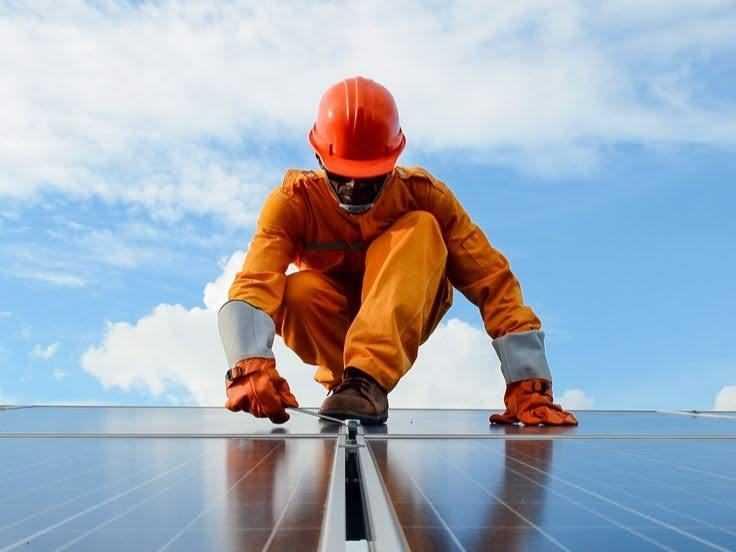
- Evidence the system was fitted properlyA system counts as commissioned only after six automated checks, including 72 hours of steady reporting and serial numbers that match. An installer cannot simply declare it done.
- A watch on the system, every five minutesGeneration, battery health, grid availability and faults, with early signs of strain brought to your attention before a payment is missed. Only on your instruction, after a set period of arrears and 72 hours’ notice, can a system be reduced to essential loads. It can never be switched off completely.
- An audit trailFor each loan, the commissioning evidence, serial numbers, installer and latest reading in one place. Every action by a bank officer is logged with their name and can be exported for inspection.
Where our interests sit
Our fee for a record is the same whatever it finds, and whether or not the purchase goes ahead. Its flags come from a published table that no one at Syllola can override.
If a customer later finances through a bank, Syllola may be paid for that work. Every record declares this in a field your team can read, and check with a free validator.
Rules that protect the borrower, and the loan
Every application is tested against six affordability rules before it reaches a bank. No one at Syllola can override a rule that fails: the software has no way to do it.
The six rules in full- Your payment stays below what you already spend on power.
- Repayments leave room for the rest of your life.
- You never keep paying for equipment that has worn out.
- A missed payment never grows into a bigger debt.
- Nobody is ever fully cut off.
- A breathing space when life gets hard.
Ready for your vendor review
A bank’s review of a new supplier often takes longer than the technical work. We are preparing what that review usually asks for before anyone asks.
- A completed information security questionnaire
- Documented policies for access, logging and incident response
- An independent penetration test every year
- Personal data about people in the EU and UK kept in the EU
- A permanent log of every access to a customer’s financial record
What stays with you
The decision to lend is yours. Our records report what was searched, what was found and what could not be obtained. They never recommend a loan or rate a property.
We stay in our lane. We do not lend, hold client money or give legal opinions on title.
Talk to us early
If you lend in Nigeria, or to Nigerians abroad, we would like to hear what your credit and risk teams need to see.
Get in touch